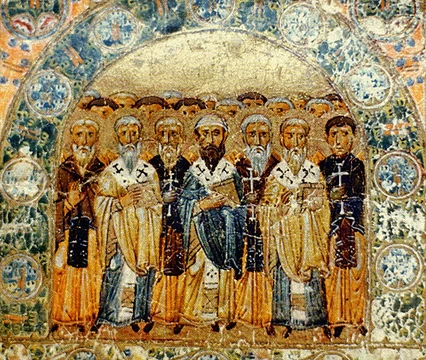
Francis de Sales
Savoyard bishop noted for gentle approach to religious divisions.

He became noted for his deep faith and his gentle approach to the religious divisions in his land resulting from the Protestant Reformation. He is known also for his writings on the topics of spiritual direction and spiritual formation, particularly the Introduction to the Devout Life and the Treatise on the Love of God.
- field
- Catholic prelate, writer on spirituality
- nationality
- Savoyard
- known_for
- Introduction to the Devout Life, Treatise on the Love of God, gentle approach to religious divisions
Lore & Background
His father wanted him to attend the best schools in preparation for a career as a magistrate. He studied at the Collège de Clermont in Paris and later at the University of Padua, where he studied both law and theology. He prayed the 'Memorare' before a statue of Our Lady of Good Deliverance and consecrated himself to the Blessed Virgin Mary, deciding to dedicate his life to God with a vow of chastity.
Reader's Guide
His diocese became famous throughout Europe for its efficient organisation, zealous clergy and well-instructed laity. His writings on spiritual direction and formation, particularly the Introduction to the Devout Life and the Treatise on the Love of God, have had lasting influence. His approach to religious divisions was gentle, focusing on a particular point of duty, a specific virtue or the correction of some vice, avoiding controversy in his sermons.
Did You Know?
- He was a member of the Oratory of Saint Philip Neri and a tertiary of the Order of Minims.
Frequently Asked Questions
What books did Francis de Sales write?
His two landmark works are the Introduction to the Devout Life and the Treatise on the Love of God. Both are practical guides meant to help ordinary laypeople cultivate a deeper interior life and grow in their love for God.
Why is Francis de Sales important to Catholic spirituality?
He is honored as a saint and Doctor of the Church because his writings on spiritual direction and formation made the interior life accessible to everyday believers. His gentle, encouraging tone set him apart from more austere ascetic writers of his era.
More in Early Church Fathers And Saints 1-24
Elsewhere in the Early Church Fathers And Saints universe
Spotted an error? Know more?
This is a living reference — every entry is fact-audited, and reader corrections feed straight into our audit queue. Suggest an edit · See this site's audit record