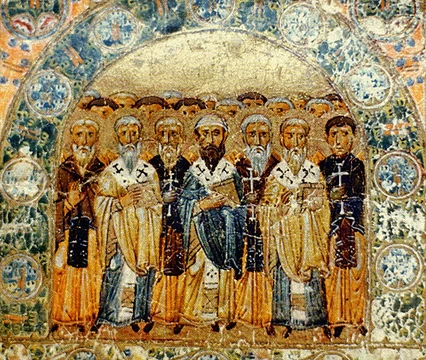
Patrick
A name shared by saints, footballers, films, and places.

Unknown author · Public domain
Patrick is a given name and surname with multiple notable bearers across history, including a Christian saint, medieval nobility, and numerous Brazilian footballers. The name also appears in film titles, places, and organizations.
- died
- c. 461 (Saint Patrick)
- field
- Religion, sports, film, geography
- nationality
- Various (Irish, Brazilian, American, etc.)
- known_for
- Saint Patrick; Brazilian footballers; horror films
Lore & Background
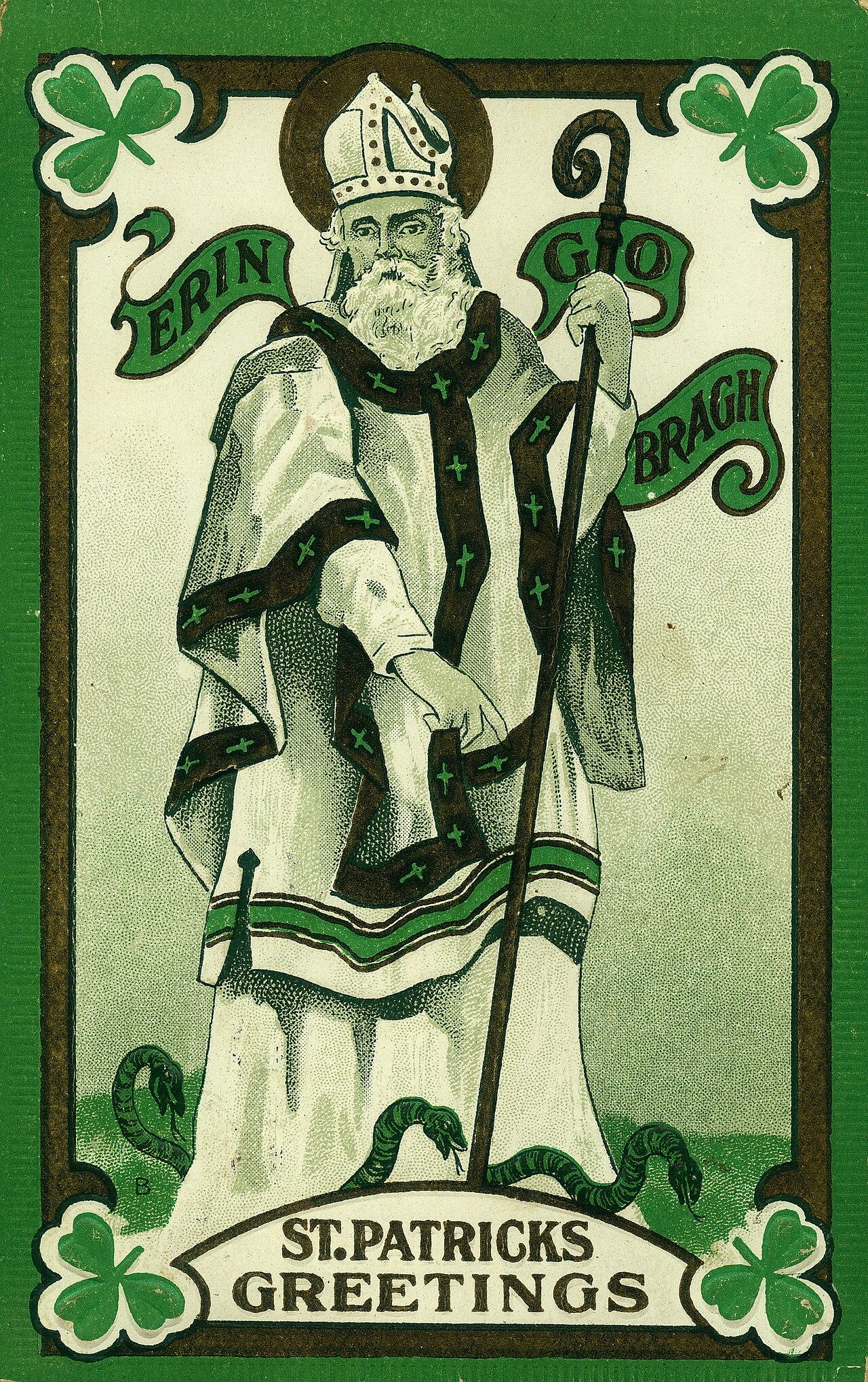
Saint Patrick (c. 461) is a Christian saint. Patrick, 1st Earl of Salisbury (c.
Reader's Guide
The name Patrick spans diverse fields. Saint Patrick is central to Irish Christianity. The Brazilian footballers named Patrick represent a common given name in modern sports. Places named Patrick include a parish on the Isle of Man, a town in South Carolina, and a county in Virginia. The Patrick Division was a former NHL division. These varied references show the name's broad cultural and geographic reach.
Did You Know?
- Patrick County, Virginia, is named after Patrick Henry, not the saint.
From Captive to Apostle
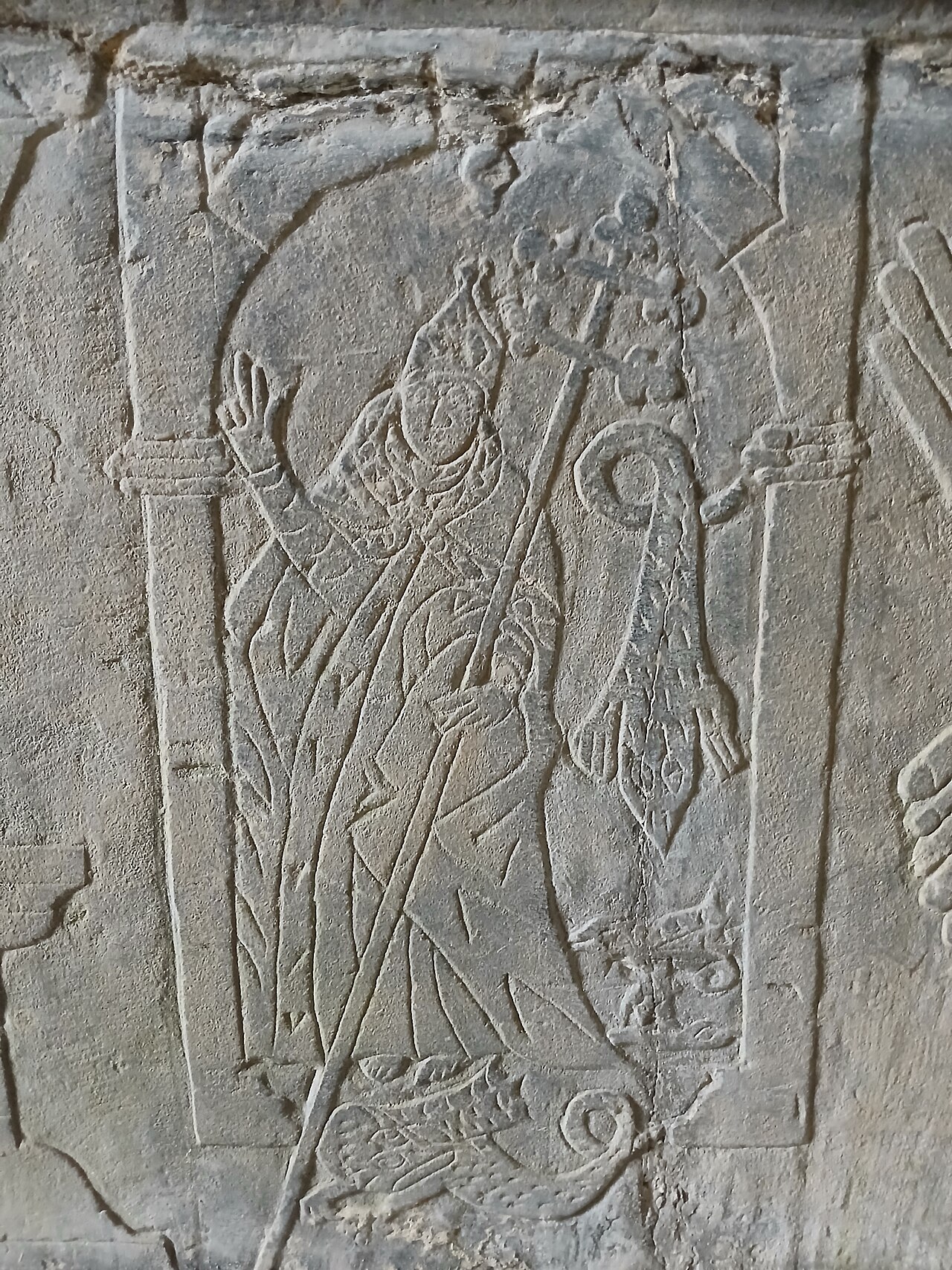
Patrick's own account, preserved in his Latin writings, reveals a life of dramatic transformation. At sixteen, he was seized by Irish pirates from his home in Britain and carried off to Ireland, where he spent six years tending livestock. He eventually escaped and made his way back to his family. After a prolonged period of study, most likely in Gaul, he returned to Ireland not as a captive but as a bishop with a mission to spread Christianity. In that role, he is credited with converting thousands and ordaining a large number of priests. Though earlier Christian presence on the island is attested, tradition holds that Patrick was the first bishop of Armagh and Primate of Ireland, and that he was the figure who brought the faith to Ireland on a broad scale, drawing people away from paganism. His journey from enslaved teenager to the man who reshaped a nation's spiritual landscape remains one of the most striking arcs in early Christian history.
The Two Surviving Writings
Only two Latin texts are generally accepted as Patrick's own hand: the Confessio, also called the Declaration, and the Letter to the soldiers of Coroticus. These documents are the sole source for the most reliable biographical details we possess, since everything else comes from later hagiographies and annals that lack the empirical rigor modern scholars demand. The Confessio is the more personal of the two. It was composed after Patrick was summoned back to Britain by church authorities to face a series of accusations against him. Rather than a dry legal brief, it reads as a deeply personal defense in which he recounts his life, his mission, and his faith, pushing back against his accusers with emotional intensity. The Letter to Coroticus addresses a political and military dispute involving the Franks, and its internal references, such as the Franks still being pagan, help scholars bracket the date of composition to the late fifth century. Together, these two short works form the entire direct voice of a man who, by tradition, converted an entire island.
A Saint Beyond Borders and Confessions
Patrick's patronage stretches far beyond a single nation or a single denomination. He is the primary patron saint of Ireland, sharing that role alongside Brigid of Kildare and Columba, yet he is also recognized as the patron saint of Nigeria, a remarkable testament to how his legacy has traveled across continents. His veneration crosses denominational lines with unusual breadth: he is honored in the Catholic Church, in the Church of Ireland within the Anglican Communion, in Lutheran churches, and in the Eastern Orthodox Church, where he carries the distinctive title of equal-to-the-apostles and is called the Enlightener of Ireland. In the Catholic Church in Ireland, his feast day on 17 March is not merely a commemoration but a solemnity and a holy day of obligation, meaning the faithful are required to attend Mass. The celebration has also spread through the Irish diaspora, becoming a global cultural and religious holiday. No other early Irish saint commands this particular combination of national, international, and cross-confessional recognition.
The Puzzle of Patrick's Dates
Pinpointing when Patrick actually lived is one of the trickiest problems in early Irish history. His own writings offer no precise chronology beyond a general fifth-century setting. The Irish annals place his arrival in Ireland at 432, but those annals were not compiled until at least the mid-sixth century, and scholars suspect the date was deliberately chosen to downplay the contribution of Palladius, who had been sent to Ireland in 431, and to amplify Patrick's role. His death is even more contested: the annals record the elder Patrick dying in 457, possibly a reference to Palladius, who was also called Patrick; another entry notes his repose in 461 or 462; and a third places the death of Patrick, the arch-apostle of the Scoti, on 17 March of 492 or 493, at the age of 120. Modern historians are divided, with some favoring the earlier date around 460 and others, particularly scholars of early Irish history, preferring the later date near 493. Even the scholar E. A. Thompson has argued that none of the annalistic death dates can be trusted, leaving Patrick's exact timeline stubbornly elusive.
Gallery

Frequently Asked Questions
What was Patrick's role in the early church?
Patrick served as a bishop and itinerant missionary, traveling throughout Ireland to found parishes and ordain clergy. He is traditionally styled the 'Apostle of Ireland,' a title reflecting his foundational role rather than a formal papal appointment.
How does Patrick's story end?
In his later years Patrick continued to travel, preach, and organize the Irish church. He is believed to have died around 461, with his traditional burial site located at Downpatrick in what is now Northern Ireland.
Why is Patrick important to early church history?
His surviving autobiographical work, the Confessio, is among the earliest personal accounts written by a Western Christian leader. His missionary work laid the institutional groundwork for Irish Christianity, which would later produce a wave of monastic scholars who influenced the broader European church.
Was Patrick actually Irish by birth?
No; Patrick was born in Roman Britain and was kidnapped by Irish raiders at roughly sixteen, spending about six years as a slave before escaping. His later return to Ireland as a missionary is what permanently tied his identity to the island.
More in Early Church Fathers And Saints 25-30
Elsewhere in the Early Church Fathers And Saints universe
Spotted an error? Know more?
This is a living reference — every entry is fact-audited, and reader corrections feed straight into our audit queue. Suggest an edit · See this site's audit record