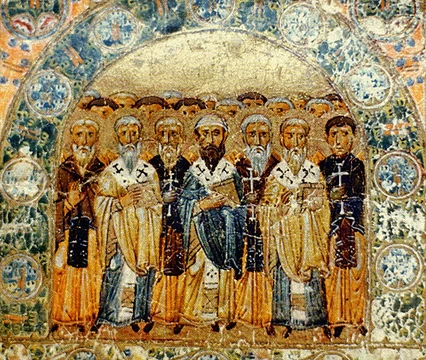
Peter Claver
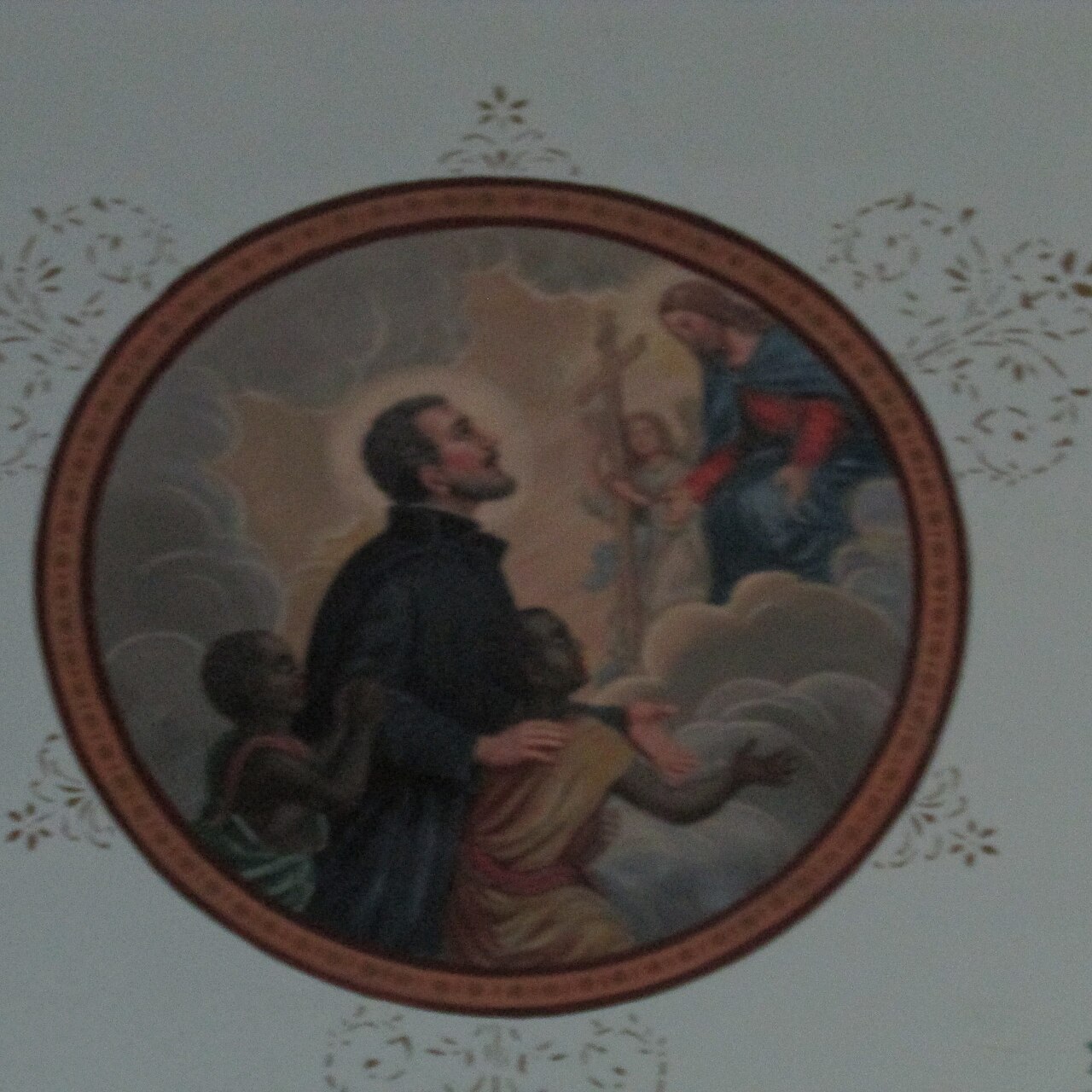
Jesuit priest who ministered to enslaved Africans in Cartagena.

Chris Light · CC BY-SA 4.0
- field
- Jesuit priest and missionary
- nationality
- Spanish
Lore & Background
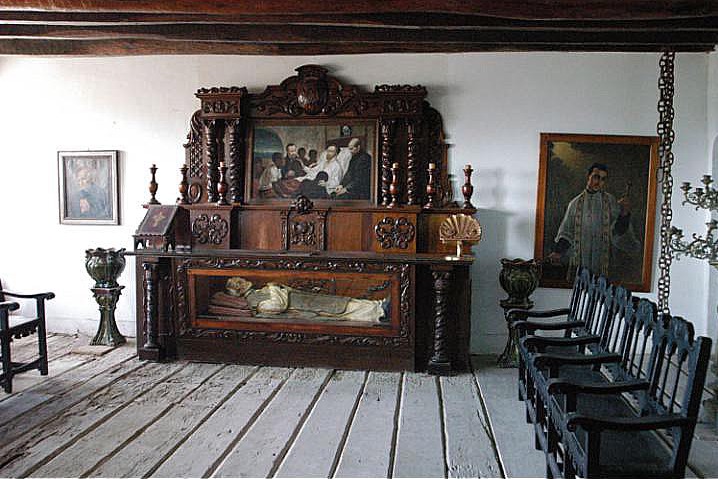
In his last years, Claver was too ill to leave his room and was cared for by a former slave named Andrés Sacabuche. After his death, his room was stripped for relics, and city magistrates ordered a public funeral.
Reader's Guide
Peter Claver's significance lies in his dedicated ministry to enslaved Africans in Cartagena, a major slave-trading hub. His work built on that of Alonso de Sandoval, and he used translators and mnemonics to convey Catholic teachings. Claver's advocacy for humane treatment of slaves made him a moral force in Cartagena, though he also worked to suppress African spiritual practices. The Congress of Colombia declared September 9 as the National Day of Human Rights in his honor. His legacy continues through organizations such as the Knights of Peter Claver, the largest African-American Catholic fraternal organization in the United States, and numerous missions, parishes, and schools bearing his name.
Did You Know?
- Claver signed his final profession document as 'Peter Claver, servant of the Ethiopians forever.'
- He learned the 'language of Angola' to communicate with enslaved Africans.
- September 9 is St. Peter Claver's feast day, and in Colombia it was officially established as the National Day of Human Rights by law.
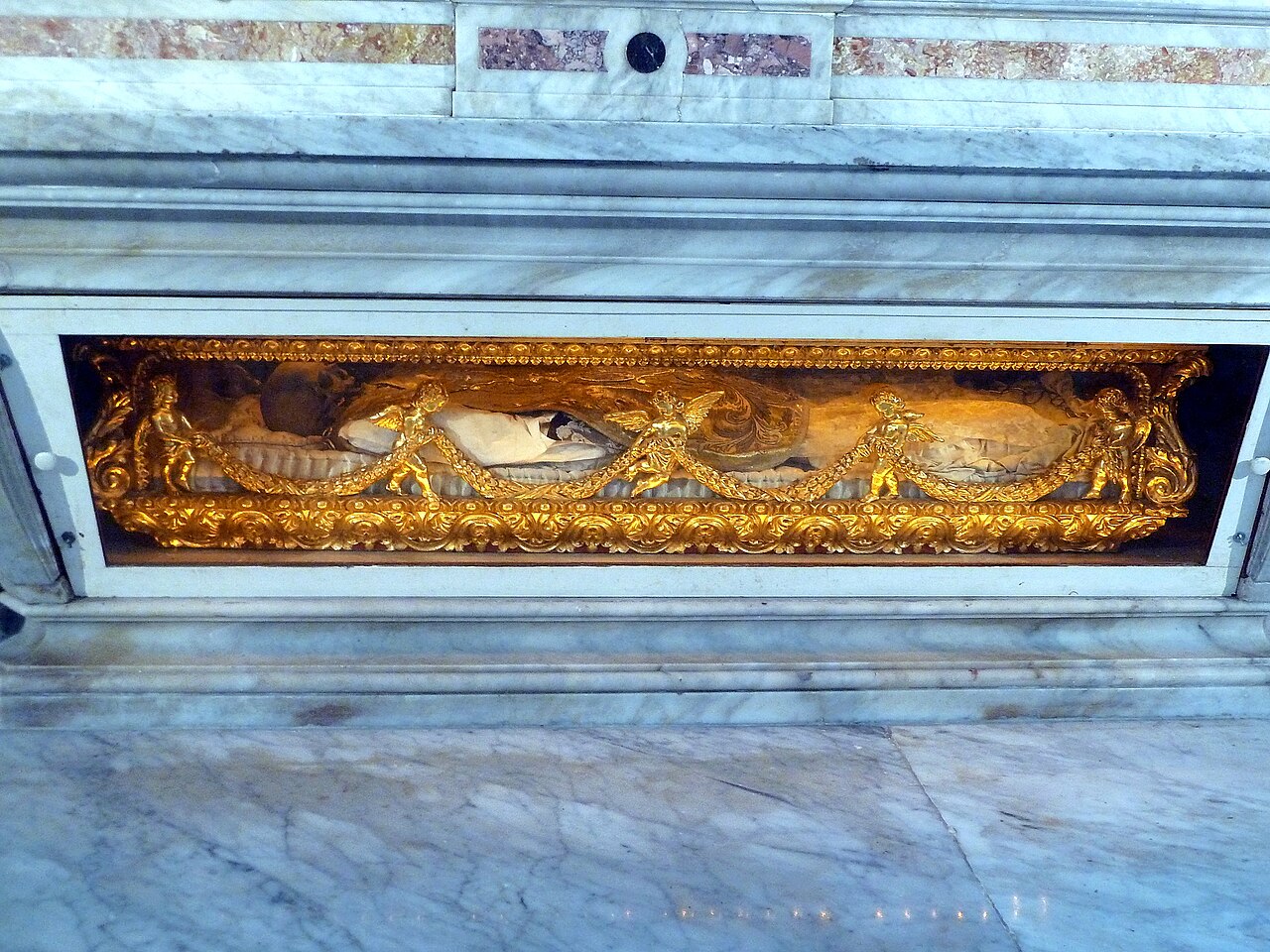
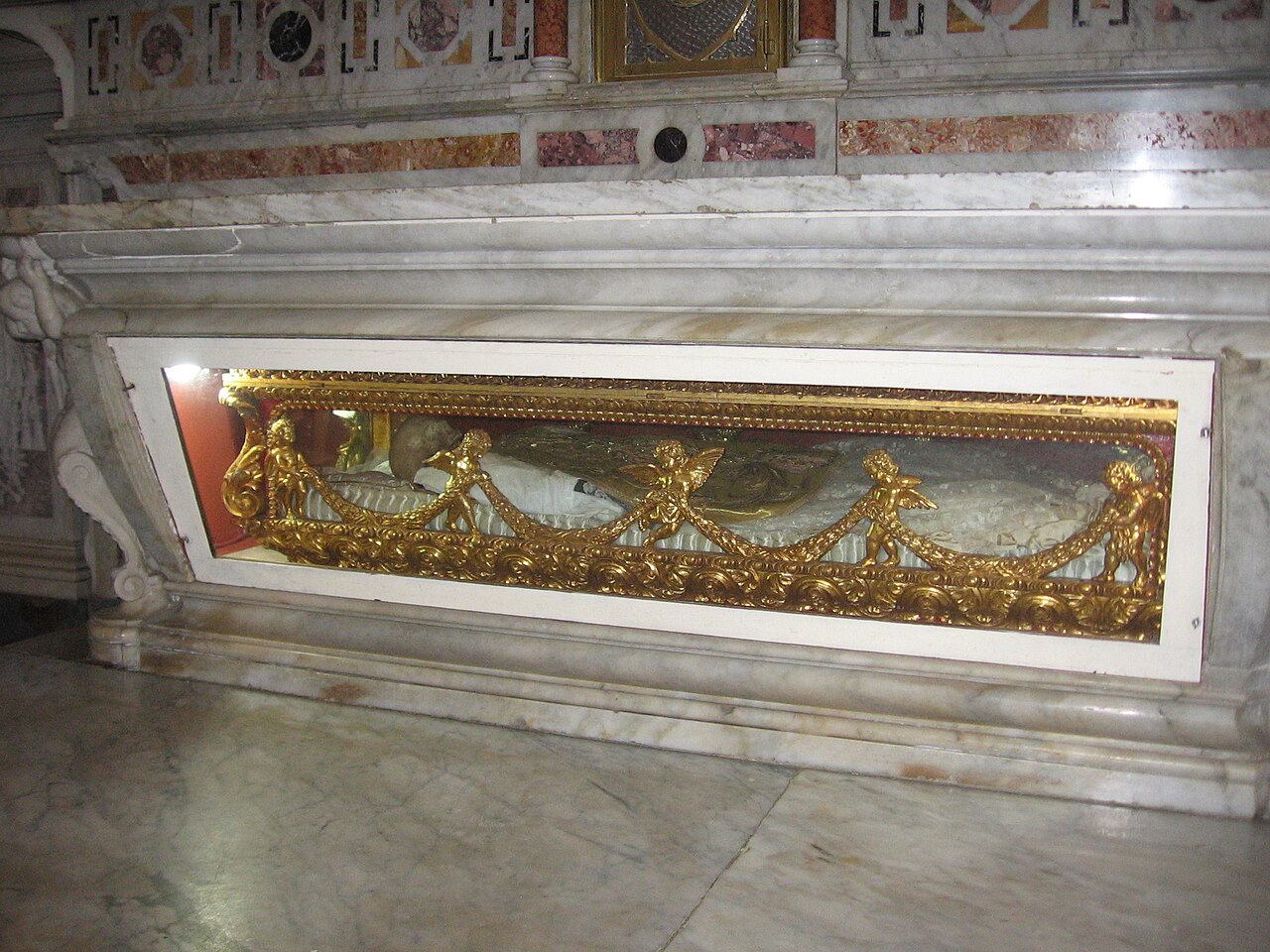
- His body is preserved and venerated in the Iglesia de San Pedro Claver in Cartagena.
Patron of the Afro-Caribbean Diaspora
Within a sweeping continental catalog of patron saints, Peter Claver is singled out as the designated patron for Afro-Caribbeans. This assignment places him squarely in the Americas section of the registry, where dozens of ethnic, national, and religious communities are each matched with one or more sacred figures. What makes his listing particularly notable is its exclusivity: unlike many other groups in the catalog who are paired with multiple saints, Marian titles, or apostolic figures, the Afro-Caribbean entry names only him. He stands alone as the sole recognized patron for this community, a distinction that underscores the singular weight of his association with that diaspora. In a section where most entries feature the Virgin under various local titles—Our Lady of Guadalupe, Our Lady of Aparecida, Our Lady of Luján—Claver's presence as a single, individual male saint cuts a different visual and theological line, marking him as a figure whose identity is inseparable from the people he serves rather than a shared devotional title.
Shared Patronage in Colombia
Peter Claver also appears in the catalog as a co-patron for Colombians, listed alongside Our Lady of the Rosary of Chiquinquirá. This pairing follows a pattern seen throughout the registry, where a national or ethnic group is served by both a Marian figure and an individual saint. In the Colombian entry, however, the combination of a specific Marian devotion—the Rosary of Chiquinquirá—with a single named saint like Claver creates a particular devotional balance. The Marian title anchors the group's identity in a widely venerated image of the Virgin, while Claver provides a personal, human exemplar of sanctity. Together, the two patrons offer Colombians both a maternal intercessor and a male saint whose life story can be meditated upon individually, a structural duality that recurs across the global listing but takes on local resonance in this pairing.
Position in the Global Patron Saint Registry
The catalog in which Peter Claver appears is organized by continent—Europe, Africa, Asia, America, and Oceania—and within each continent by ethnic, national, or religious community. Peter Claver is situated in the Americas section, a region that features the highest concentration of Marian titles in the entire registry. His inclusion among entries for African Americans, Argentines, Brazilians, Mexicans, and dozens of other communities places him in a crowded field of recognized saints and blessed figures. Yet his name appears only twice in the entire catalog—once for Afro-Caribbeans and once for Colombians—making him a relatively rare figure in a list that spans hundreds of communities across five continents. This limited but specific presence suggests a patronage that is deeply targeted rather than broadly distributed.
A Distinctive Voice Among American Patrons
Scanning the Americas section of the patron saint catalog reveals a striking pattern: the overwhelming majority of entries are anchored by Marian titles. Our Lady of Guadalupe for Mexicans, Our Lady of Aparecida for Brazilians, Our Lady of Luján for Argentines, Our Lady of the Pillar for the broader Hispanic world—these devotional names dominate the list. Individual male saints appear far less frequently. Peter Claver's dual listing for Afro-Caribbeans and Colombians makes him one of the few male saints who stands out against this sea of Virgin titles. His presence is not supplementary or secondary; for Afro-Caribbeans, he is the entire entry. Even in the Colombian pairing, he carries equal weight alongside the Marian figure. This structural position—male, individual, named by first and last name rather than by a devotional epithet—sets him apart from the prevailing devotional grammar of the section and gives his patronage a distinctly personal character that resonates differently from the collective, image-based veneration that characterizes most of his neighbors in the catalog.
Gallery

Frequently Asked Questions
What is Peter Claver most known for?
He is celebrated for his lifelong, hands-on ministry to enslaved Africans arriving at the Cartagena docks, where he offered them spiritual care, medical aid, and baptism. This work led the Church to name him patron saint of slaves, Colombia, and African Americans.
Why is Peter Claver considered important in Church history?
His decades of selfless service to the most marginalized people of his era made him a landmark figure in Catholic missionary and social-teaching history. He is venerated as a saint and holds patronage over slaves, the nation of Colombia, and African Americans.
More in Early Church Fathers And Saints 25-30
Related in Early Church Fathers And Saints
Links follow this subject's own source article.
Elsewhere in the Early Church Fathers And Saints universe
Spotted an error? Know more?
This is a living reference — every entry is fact-audited, and reader corrections feed straight into our audit queue. Suggest an edit · See this site's audit record