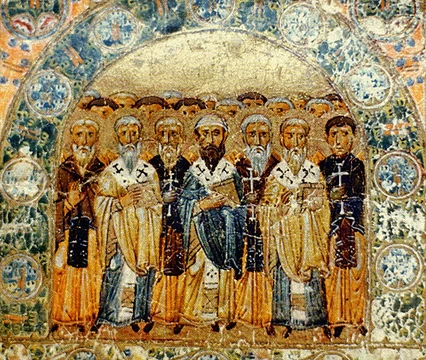
Cyril and Methodius
Byzantine brothers who devised the first Slavic alphabet.

Cyril and Methodius were Byzantine Christian theologians and missionaries, brothers known as the 'Apostles to the Slavs' for their work evangelizing the Early Slavs. They are credited with devising the Glagolitic alphabet, the first alphabet used to transcribe Old Church Slavonic, and their pupils continued their missionary work among other Slavs after their deaths.
- field
- Christian theology, missionary work, linguistics
- nationality
- Byzantine (born in Thessalonica, exact ethnic origins unknown; controversy exists as to Slavic or Greek origin, or both)
- known_for
- Devising the Glagolitic alphabet; translating Gospels and liturgical books into Old Church Slavonic; evangelizing the Slavs
Lore & Background
Cyril (born Constantine) and Methodius (born Michael) were born in Thessalonica, in the Byzantine province of the same name. Their father was Leo, a droungarios, and their mother was Maria. Cyril was reputedly the youngest of seven brothers. After their father died when Cyril was fourteen, the powerful minister Theoktistos became their protector. The Emperor sent Cyril and Methodius, who began translating the Gospels and liturgical books into Old Church Slavonic and devised the Glagolitic script. They also wrote the first Slavic Civil Code. Their work brought them into conflict with German clerics who opposed a Slavic liturgy. Pope Adrian II formally authorized the use of the new Slavic liturgy. Both are venerated in the Eastern Orthodox Church as saints with the title 'equal-to-apostles'.
Reader's Guide
Cyril and Methodius are significant for creating the Glagolitic alphabet, the first script for Slavonic manuscripts, which later evolved into the Cyrillic alphabet used by many languages today. Their translation of the Gospels and liturgical books into Old Church Slavonic enabled the Slavic peoples to practice Christianity in their native language, a key factor in the spread of Christianity among the Slavs. Their mission in Great Moravia faced opposition from German clerics who insisted on Latin liturgy, leading the brothers to seek papal approval in Rome, which was granted. After their deaths, their pupils continued missionary work among other Slavs. Their legacy endures in the many Orthodox and Eastern Catholic churches that use Church Slavonic in their liturgies.
Did You Know?
- Cyril was born Constantine and took the name Cyril upon becoming a monk in Rome shortly before his death.
- Methodius was born Michael and took the name Methodius upon becoming a monk at Polychron Monastery.
- The exact ethnic origins of the brothers are unknown; there is controversy as to whether they were of Slavic or Greek origin, or both.
- They brought the relics of Pope Saint Clement I to Rome, which contributed to their warm reception there.
Frequently Asked Questions
What is Cyril and Methodius's main achievement?
Their most celebrated contribution is devising the Glagolitic alphabet, the first writing system created to transcribe Old Church Slavonic. They also translated the Gospels and other liturgical texts into that language so Slavic-speaking communities could follow worship in their own tongue.
Why are Cyril and Methodius important in church history?
They opened a path for Slavic peoples to access Christian scripture and worship in their native language, which was groundbreaking at the time. Their combined work in theology, linguistics, and mission-making laid the groundwork for centuries of Slavic Christian culture.
What is the Glagolitic alphabet and who created it?
It was the first alphabet designed specifically to write Old Church Slavonic, and it is credited to Cyril and Methodius. The script allowed Slavic speakers to read the Gospels and liturgical books without relying on Greek or Latin.
More in Early Church Fathers And Saints 1-24
Elsewhere in the Early Church Fathers And Saints universe
Spotted an error? Know more?
This is a living reference — every entry is fact-audited, and reader corrections feed straight into our audit queue. Suggest an edit · See this site's audit record