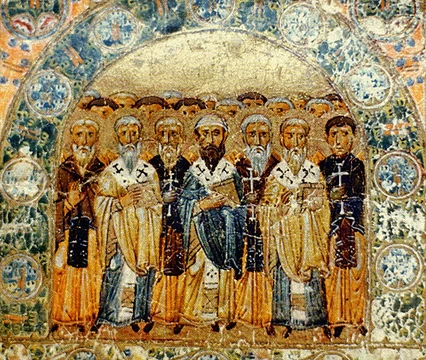
Bernard of Clairvaux
Cistercian abbot, mystic, and co-founder of the Knights Templar.

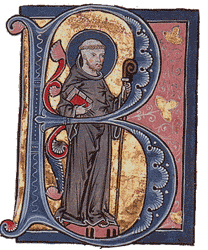
Felix21B · CC BY-SA 4.0
He was a co-founder of the Knights Templar and a key figure in the church schism of the 1130s, advocating for Pope Innocent II. His preaching helped launch the unsuccessful Second Crusade, and he was canonized 21 years after his death, later declared a Doctor of the Church.
- field
- Abbot, mystic, theologian
- nationality
- Burgundian (French)
- known_for
- Co-founder of the Knights Templar, reform of the Benedictines, preaching the Second Crusade, Doctor of the Church
Lore & Background
Bernard was born to noble parents in Burgundy and was the third of seven children. Three years later, he was sent to found Clairvaux Abbey, where he became abbot and the community grew rapidly, founding over sixty abbeys during his lifetime. He was known for extreme asceticism and frequent illness from fasting, yet attracted many candidates to monastic life.
Reader's Guide
Bernard of Clairvaux's significance lies in his role as a central figure in 12th-century church reform and politics.
Did You Know?
- Bernard was canonized just 21 years after his death by Pope Alexander III.
- Bernard called himself the 'chimera of his age' due to his combination of contemplative and active life.
- He famously called the Virgin Mary an 'aquaeduct of grace.'
Noble Blood and the Seed of a New Order
Bernard entered the world in 1090 as the third of seven children, six of them boys, born to Tescelin de Fontaine and Alèthe de Montbard, two families among the highest nobility of Burgundy. At nine he was placed in a school at Châtillon-sur-Seine under the secular canons of Saint-Vorles, where his mind gravitated toward literature and rhetoric. The loss of his mother during his youth left a lasting mark; even while studying under priests, the thought of entering holy order occupied him. In 1098, Robert of Molesme had established Cîteaux Abbey near Dijon, committing to a strict reading of the Rule of St. Benedict and creating what would become the Cistercian Order. In 1113, Bernard walked into that monastery accompanied by thirty young Burgundian noblemen, many of them his own kin. His personal conviction was so powerful that scores of others, including his father, followed him into monastic life, earning him the title of patron of religious vocations. Three years later, on 25 June 1115, Bernard led twelve monks to a new site in the Diocese of Langres, naming it Clairvaux. William of Champeaux, bishop of Châlons-sur-Marne, installed him as abbot, and from that moment the two names—Bernard and Clairvaux—became inseparable in the memory of the Church.
Austere Growth and the Cluny Rivalry
The early days at Clairvaux were marked by severe austerity, and Bernard pushed himself even harder than his community. Suffering from frequent illness that he traced to extreme fasting during his novitiate, he nonetheless attracted candidates in great numbers. The abbey became a nursery for new foundations: Trois-Fontaines in 1118, Fontenay in 1119, Foigny in 1121, and within Bernard's lifetime more than sixty abbeys either sprang up or were transferred into the Cistercian fold. This rapid expansion did not go unnoticed. The Benedictines at Cluny, watching their own members drift toward Cîteaux, grew openly hostile and launched criticisms of the Cistercian way of life. At the urging of William of St.-Thierry, Bernard composed his Apology in defense of the new order. Peter the Venerable, abbot of Cluny, responded not with further attack but with a letter expressing his admiration and friendship. Cluny subsequently undertook its own internal reform, and Bernard even befriended Abbot Suger. Yet the rivalry could produce personal wounds: when the prior of Cluny persuaded Bernard's cousin Robert of Châtillon to join the older order, Bernard wrote what is regarded as his longest and most emotionally charged letter. The death of his brother Gerard struck him with equal force, and his grief became the wellspring of one of his most moving sermons.
Crusade, Schism, and the Templars
Bernard's influence stretched far beyond the walls of any single abbey. At the Council of Troyes in 1128, he helped trace the outlines of the Rule for the Knights Templar, a document that would soon become an ideal of Christian nobility. When Pope Honorius II died in 1130, the resulting schism pitted Innocent II against the Antipope Anacletus II, and Bernard threw his considerable rhetorical weight behind Innocent's claim to legitimacy. He also defended the institutional rights of the Church against the encroachments of secular rulers, recalling the archbishop of Sens, Henri Sanglier, and the bishop of Paris, Stephen of Senlis, to their duties. His most celebrated public act came in 1146 at Vézelay, where a famous sermon persuaded large numbers of listeners to take up the cross for the Second Crusade, an enterprise that ultimately failed. Contemporaries recognized a singular force in him. The historian Holdsworth wrote that "his first and greatest miracle was himself," while Jean-Baptiste Chautard called him "the most contemplative and yet at the same time the most active man of his age." Bernard himself, aware of the tension between these poles, described his divided nature by calling himself "the chimera of his age."
The Poetics of Faith and a Lasting Legacy
Bernard was canonized a mere twenty-one years after his death in 1153, by Pope Alexander III, and in 1830 Pope Pius VIII elevated him to the rank of Doctor of the Church. In 1953, marking the eight hundredth anniversary of his passing, Pope Pius XII issued the encyclical Doctor Mellifluus and called him "the last of the Fathers." Though often described as "a difficult saint," his influence has endured. In opposition to the rational, systematic method of the scholastics, Bernard preached poetically, appealing to emotion and conversion to foster a more immediate, lived experience of faith. His command of language is widely regarded as his most universal legacy, and he contributed lyrics to the Cistercian Hymnal. In Mariology he was not an original thinker but an extraordinarily effective popularizer, emphasizing Mary's humility, her role as Co-Redemptrix and mediator, and famously calling her an "aqueduct of grace." Dante placed Bernard as the speaker of a profound Marian prayer at the opening of the thirty-third canto of the Paradiso, and Goethe cast him in Faust as the "Doctor Marianus," a devoted champion of the Virgin.
Gallery
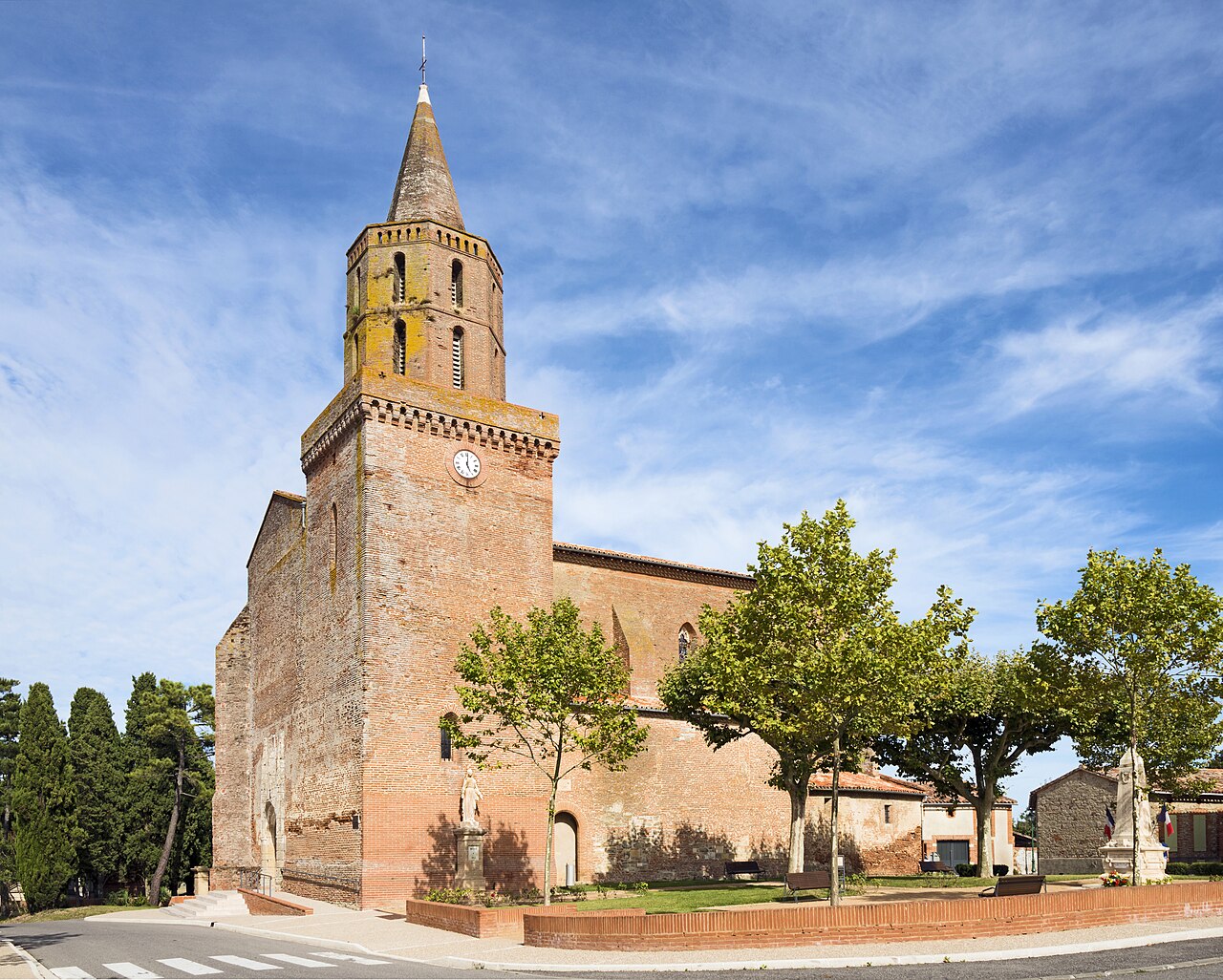
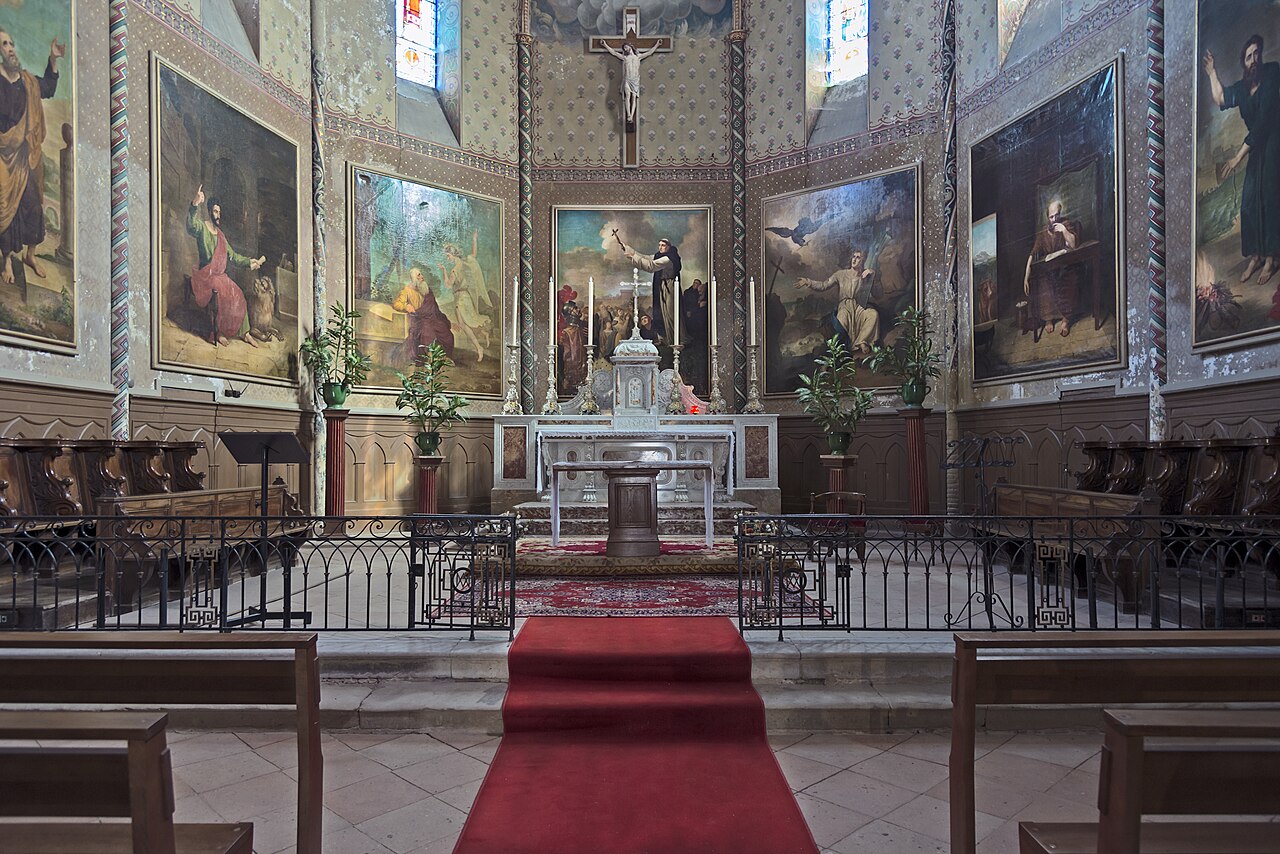
Frequently Asked Questions
What was Bernard of Clairvaux's role in the Church?
He served as a leading reformer within the Benedictine tradition, shaping the discipline and spiritual practice of the Cistercian Order. He also acted as a major theological authority and was later recognized as a Doctor of the Church.
What did Bernard of Clairvaux found or co-found?
He is credited as a co-founder of the Knights Templar, helping to establish that military order in the early twelfth century. He also played a central role in founding and expanding Cistercian monasteries across France and beyond.
More in Early Church Fathers And Saints 1-24
Elsewhere in the Early Church Fathers And Saints universe
Spotted an error? Know more?
This is a living reference — every entry is fact-audited, and reader corrections feed straight into our audit queue. Suggest an edit · See this site's audit record