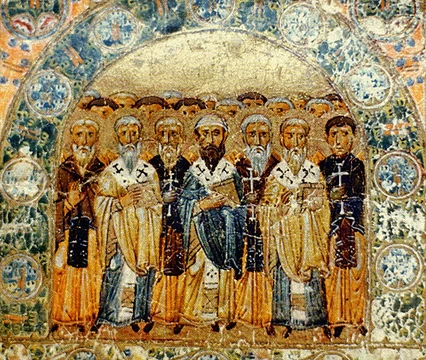
Aloysius Gonzaga
Italian aristocrat who became a Jesuit and died serving plague victims.

Jastrow · Public domain
Aloysius de Gonzaga, SJ (Italian: Luigi Gonzaga; 9 March 1568 – 21 June 1591) was an Italian aristocrat who became a member of the Society of Jesus. While still a student at the Roman College, he died as a result of caring for the victims of a serious epidemic. He was beatified in 1605 and canonized in 1726.
- born
- 9 March 1568
- died
- 21 June 1591
- field
- Religious life, care for the sick
- nationality
- Italian
- known_for
- Caring for plague victims; patron saint of youth and students
Lore & Background
Gonzaga was born the eldest of eight children at his family's castle in Castiglione delle Stiviere, into a cadet branch of the House of Gonzaga. His father, Ferrante Gonzaga, Marquess of Castiglione, expected him to become a soldier, and as early as age four he was given miniature guns and accompanied his father on training expeditions. At age five he was sent to a military camp. In 1576, at age eight, he was sent to Florence with his younger brother Rodolfo to serve at the court of Grand Duke Francesco I de' Medici, where he fell ill with a kidney disease that troubled him throughout his life. After reading a book about Jesuit missionaries in India, he felt strongly that he wanted to become a missionary. In November 1585, he gave up all rights of inheritance and was accepted into the Society of Jesus in Rome. He took the three religious vows on 25 November 1587.
Reader's Guide
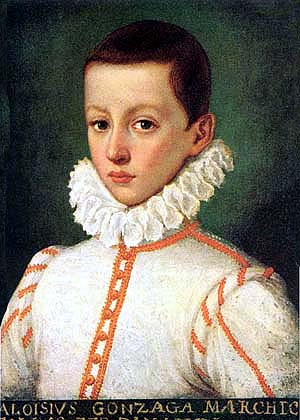
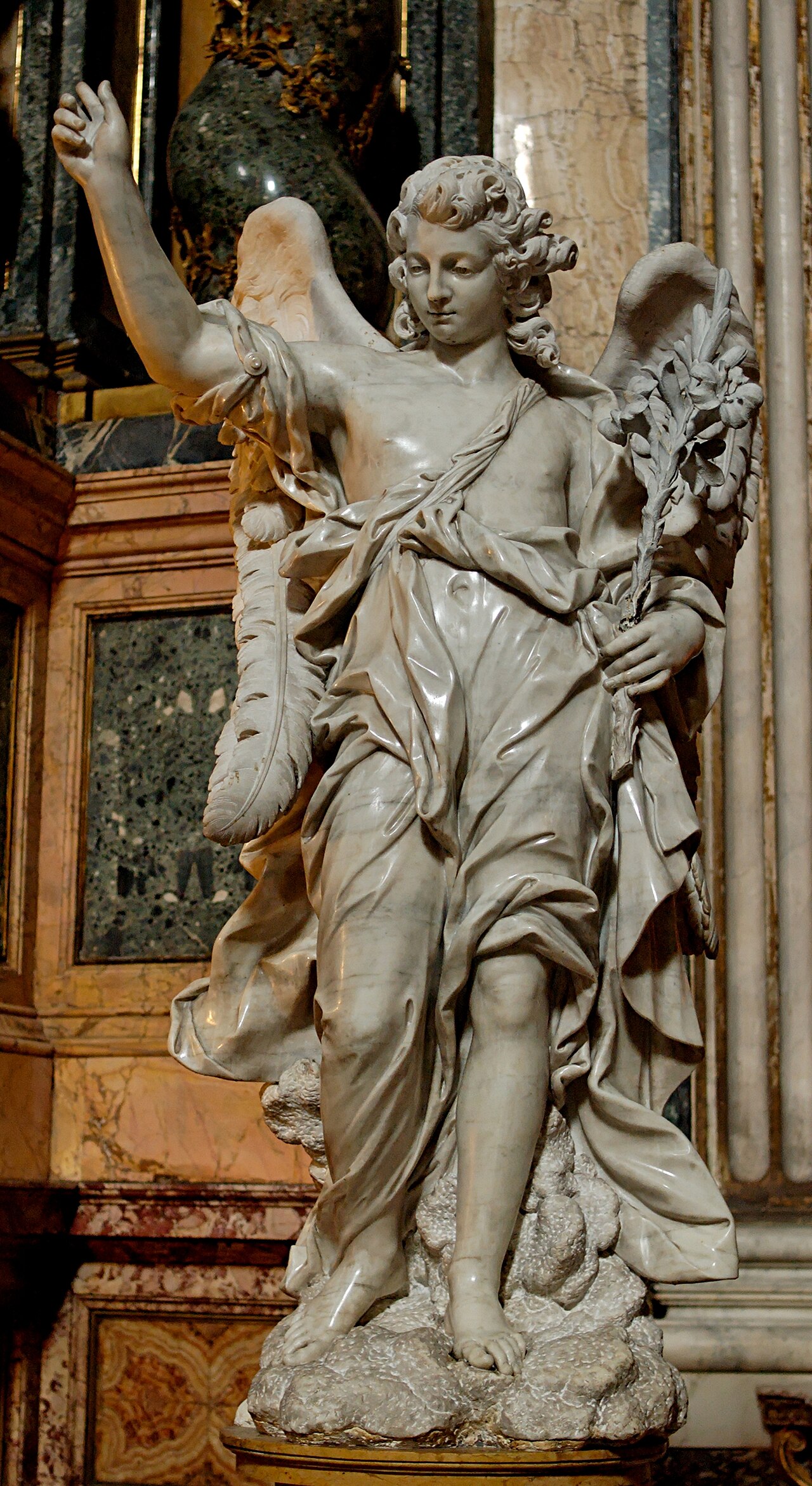
Aloysius Gonzaga's significance lies in his renunciation of aristocratic status to serve as a Jesuit, and his death from caring for plague victims in Rome in 1591. In 1591, a plague broke out in Rome; the Jesuits opened a hospital, and Gonzaga volunteered. He begged alms, carried the dying from the streets, and washed and fed plague victims. His superiors forbade him from returning after many younger Jesuits became infected, but he persisted and was allowed to care for the sick at another hospital, Our Lady of Consolation, where he was infected. He was bedridden by 3 March 1591 and died on 21 June 1591. He was beatified by Pope Paul V on 19 October 1605 and canonized by Pope Benedict XIII on 31 December 1726. His feast day is 21 June. In 1729, Pope Benedict XIII declared him patron saint of youth and students; in 1926, Pope Pius XI named him patron of all Christian youth. He is also considered a patron saint of plague victims and, by extension, of AIDS patients and their caregivers. A controversy ensued in 1991 when a priest proposed that Aloysius should be made patron of people suffering from AIDS. In art, he is shown as a young man wearing a black cassock and surplice, or as a page, with attributes including a lily, a cross, a skull, and a rosary.
Did You Know?
- At age four, Gonzaga was given miniature guns and accompanied his father on training expeditions to learn 'the art of arms.'
- He received his First Communion from Cardinal Charles Borromeo on 22 July 1580.
- He had a vision in 1590 in which the Archangel Gabriel told him he would die within a year.
- His name was changed to 'Robert' before his death, in honor of his confessor, Robert Bellarmine.
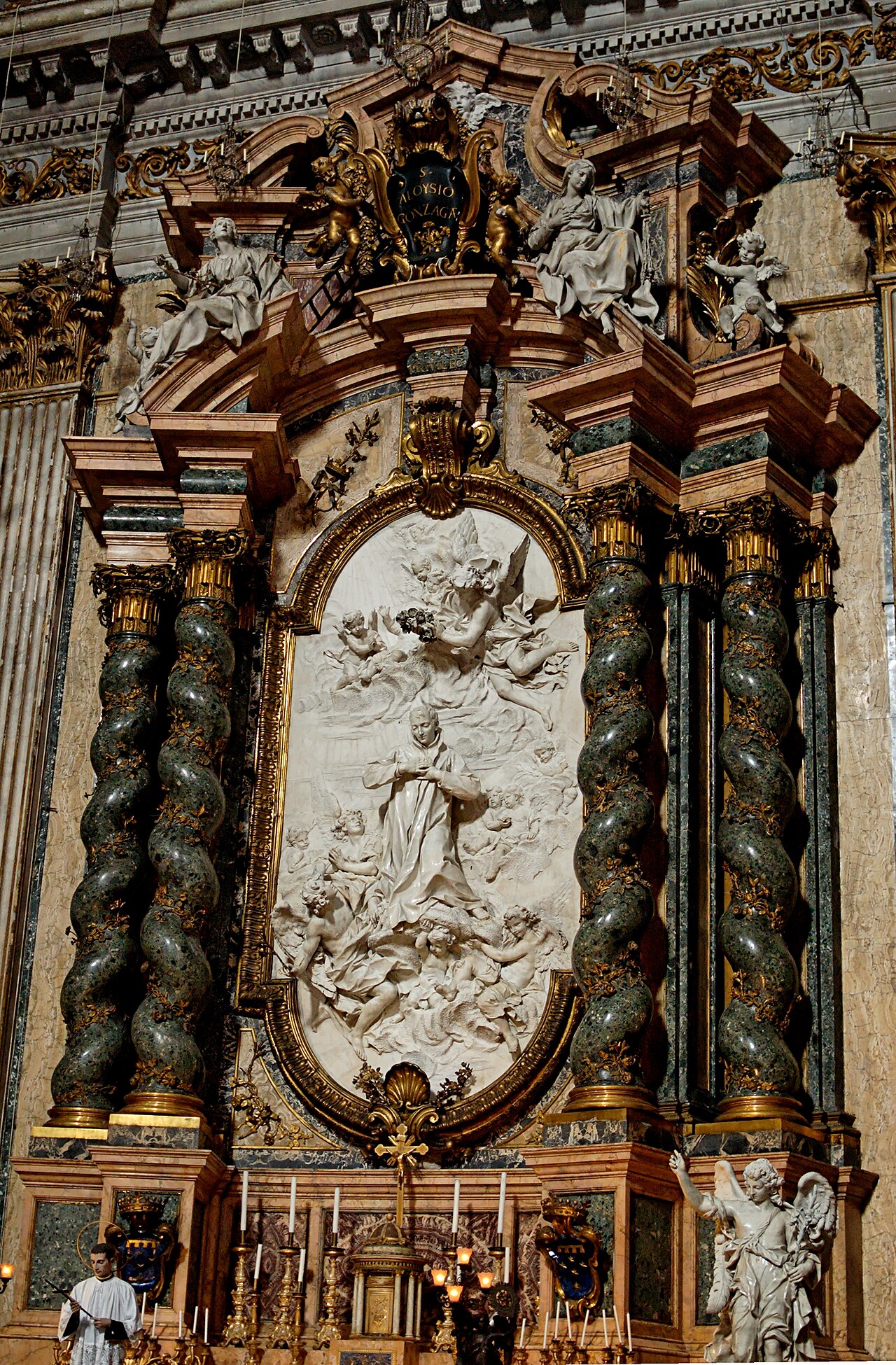
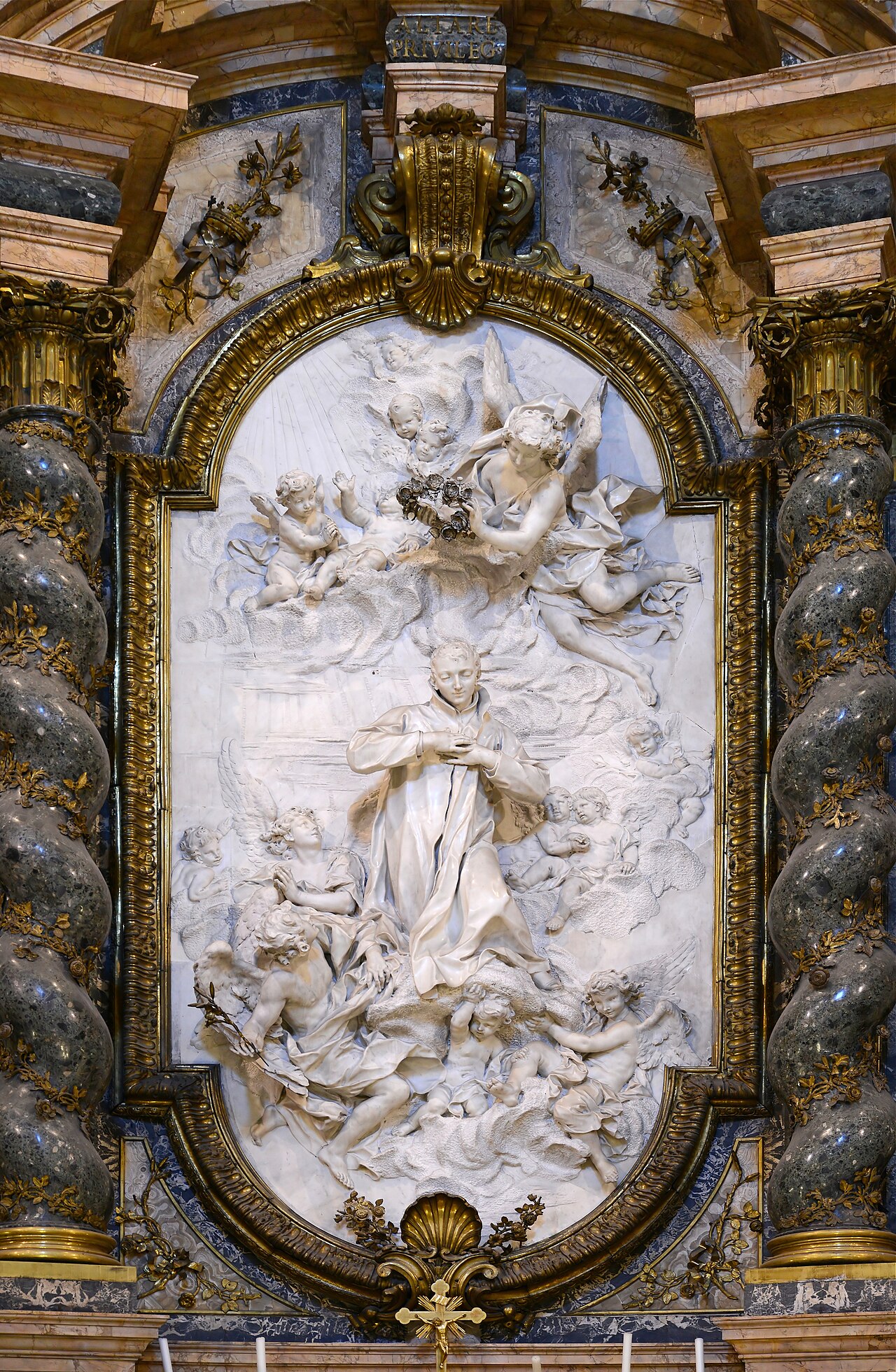
- His remains rest in an urn of lapis lazuli in the Lancellotti Chapel at Sant'Ignazio in Rome.
Aristocratic Origins and a Restless Youth
Gonzaga entered the world in 1568 as the firstborn of eight children at the family castle in Castiglione delle Stiviere, a town set between Brescia and Mantua in the Duchy of Mantua. He belonged to a cadet line of the formidable House of Gonzaga; his father Ferrante held the marquisate of Castiglione, while his mother, Dona Marta Tana di Santena, traced her blood to the Piedmontese Della Rovere barons and had served as a lady-in-waiting to Isabel, consort of Spain's Philip II. The household's expectations were clear: the eldest son would inherit the title and follow the family's martial tradition. By four, Luigi was paraded around with a set of miniature guns and taken along on his father's training outings to learn what the household called the art of arms. At five he was posted to a military camp, where his father beamed at the sight of the boy striding ahead of a platoon, even as his mother and tutor winced at the vocabulary he picked up. He matured amid the violence and intrigue of Renaissance Italy, later spending formative years at the court of Grand Duke Francesco I de' Medici in Florence, where a kidney ailment first seized him and would shadow him for the rest of his short life.
The Battle for His Vocation
By the time Gonzaga arrived in Madrid in 1582 to serve as a page to the young Infante Diego, the question of his future had become a family crisis. He had weighed the Capuchin order but, under the guidance of a Jesuit confessor, settled on the Society of Jesus. His mother gave her consent, yet his father raged and physically blocked the move. After the family's return to Italy in 1584, relatives launched a sustained campaign to steer him elsewhere. They dangled a secular priesthood and even offered to arrange a bishopric, hoping to preserve his social standing and inheritance. Gonzaga rejected every compromise; he had no appetite for ecclesiastical office and was driven instead by a missionary ideal first kindled by a book about Jesuit work in India. In November 1585 he formally renounced all rights of inheritance, a decision ratified by the emperor. He traveled to Rome, secured a brief audience with Pope Sixtus V, and on 25 November 1585 was received into the Jesuit novitiate. His superiors gently urged him to moderate his extreme asceticism and to engage more warmly with his fellow novices.
The Plague and a Final Act of Service
When a devastating epidemic swept through Rome in 1591, the Jesuits opened a hospital for the afflicted, and Gonzaga threw himself into the work without hesitation. He begged alms for the victims, then carried the dying from the streets into the Jesuit facility, washing and feeding them and preparing them as best he could for the sacraments. He privately confessed to his spiritual director, Cardinal Robert Bellarmine, that the sights and stench of the wards revolted his constitution and that he had to force himself past a deep physical repulsion. When many younger Jesuits fell sick, his superiors barred him from the hospital. Long accustomed to his father's refusals, Gonzaga persisted and won permission to return, though only to a second hospital, Our Lady of Consolation, where contagious cases were not admitted. There he contracted the disease. Bedridden by 3 March 1591, just days before his twenty-third birthday, he declined for weeks. He received Extreme Unction and spoke repeatedly with Bellarmine, telling those around him he would die on the Octave of Corpus Christi. On 21 June 1591, as his strength faded, Bellarmine administered the last rites, and Gonzaga passed.
A Brief Life, Enduring Legacy
Gonzaga's life spanned barely twenty-three years, yet its arc—from marquis's heir to Jesuit novice to plague victim—resonated far beyond his own time. He was beatified in 1605 and canonized in 1726, a testament to how the Church valued the radical renunciation of privilege he embodied. His spiritual formation was shaped by several towering figures: Cardinal Charles Borromeo, who administered his First Communion in 1580; the missionary literature that first stirred his vocation; and Cardinal Robert Bellarmine, who served as his confessor in his final weeks and guided him through the sacraments of the dying. His story also intersected with the broader currents of Counter-Reformation Catholicism, as the Jesuit order he joined was itself a product of that era's spiritual renewal. Though his active ministry was cut short, his example of an aristocrat surrendering title, wealth, and social rank for a life of poverty and service became a touchstone for generations of Catholics who saw in his brief, intense life a model of total commitment to a calling that demanded everything.
Gallery
Frequently Asked Questions
Who is Aloysius Gonzaga?
Aloysius Gonzaga was an Italian nobleman born in 1568 who abandoned his aristocratic privileges to join the Society of Jesus. He is best remembered as a young student who devoted himself to serving others and died at just twenty-three.
What is Aloysius Gonzaga known for?
He is most recognized for tending to people sickened by a deadly epidemic while still a student at the Roman College. This act of selfless care became the defining moment of his short life and the foundation of his reputation.
How did Aloysius Gonzaga die?
He contracted the same illness he was treating among plague victims and passed away on 21 June 1591. His death came directly from his decision to stay and care for the sick rather than withdraw to safety.
Why is Aloysius Gonzaga important?
He is venerated as the patron saint of youth and students, making him a figure of particular relevance to young people in the Catholic tradition. His life also embodies the Jesuit ideal of pairing intellectual formation with hands-on service to the suffering.
When was Aloysius Gonzaga made a saint?
He was beatified in 1605, less than two decades after his death, and fully canonized in 1726. This comparatively quick progression reflected the widespread devotion to his memory across Europe.
More in Early Church Fathers And Saints 1-24
Related in Early Church Fathers And Saints
Links follow this subject's own source article.
Elsewhere in the Early Church Fathers And Saints universe
Spotted an error? Know more?
This is a living reference — every entry is fact-audited, and reader corrections feed straight into our audit queue. Suggest an edit · See this site's audit record